
Condé Nast
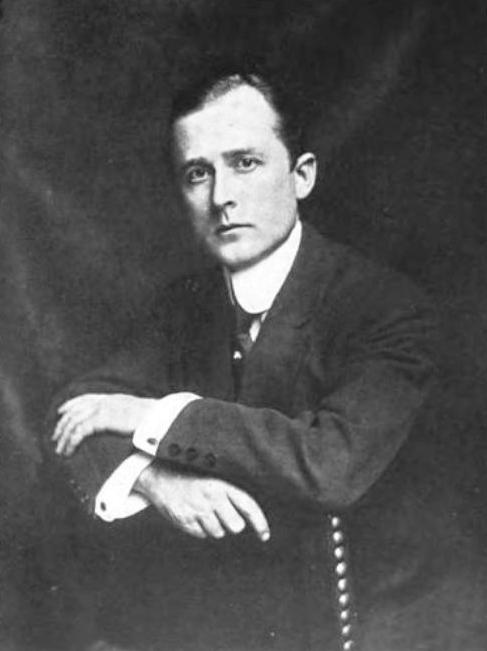
American mass media company founded in 1909 by Condé Montrose Nast.

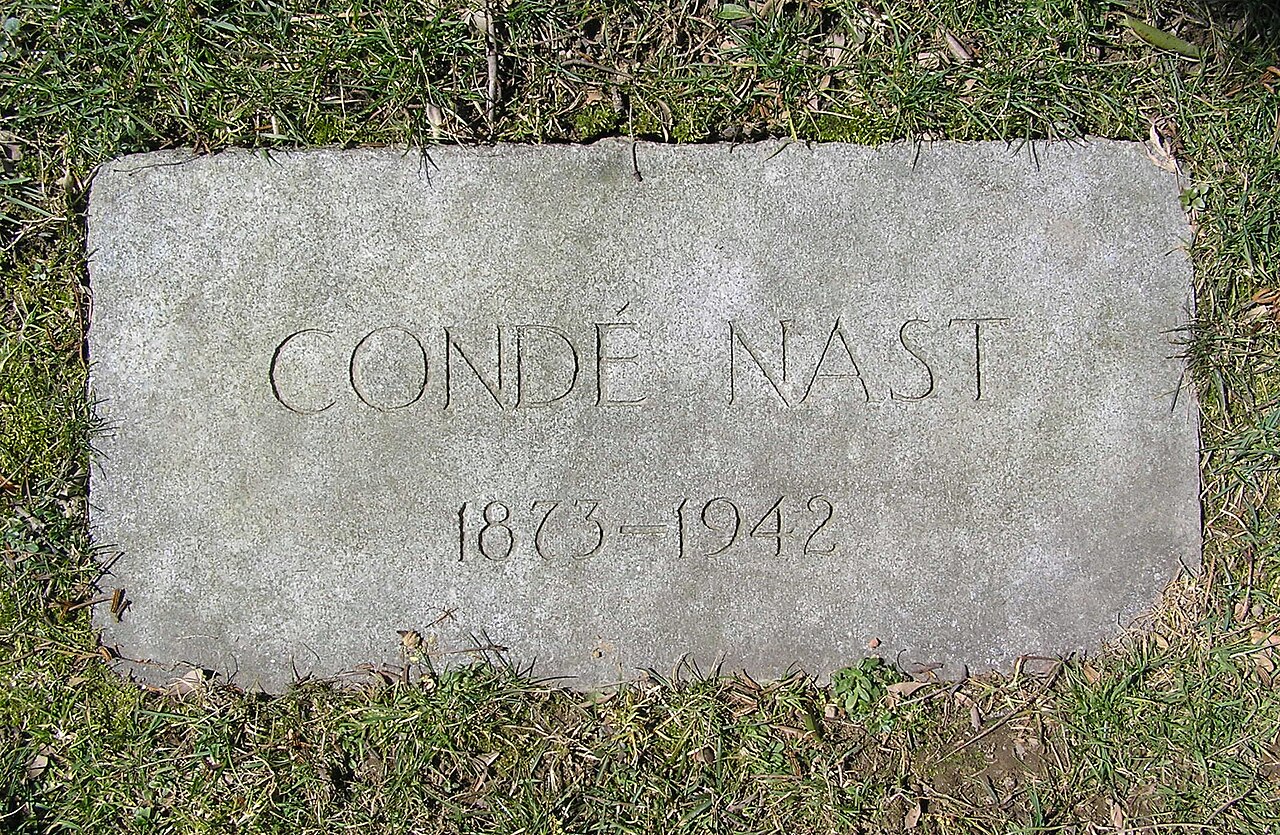
Anthony22 at English Wikipedia · Public domain
Condé Nast is known for publishing influential magazines such as Vogue, The New Yorker, and Vanity Fair, and is considered the originator of the 'class publication' concept—a magazine focused on a particular social group or interest rather than the largest possible readership.
- founder
- Condé Montrose Nast
- field
- Mass media and publishing
- nationality
- American
- known_for
- Publishing Vogue, The New Yorker, and other class publications; originator of th
Verified Timeline
Lore & Background
Condé Nast traces its roots to 1909, when Condé Montrose Nast purchased Vogue, a magazine launched in 1892 as a New York weekly journal of society and fashion news. Nast initially published under the Vogue Company name, and in 1922 incorporated Condé Nast Publications as the holding company. He expanded the portfolio to include House & Garden, Vanity Fair, Glamour, and American Golfer, and introduced British Vogue in 1916—the first overseas edition of an American magazine. During the Great Depression, the company introduced innovative typography, design, and color, and in 1932 Vogue featured its first full-color photograph by Edward Steichen on the cover, replacing fashion drawings with photo illustrations.
Reader's Guide
Condé Nast's significance lies in its pioneering role in the magazine industry, particularly through the concept of the 'class publication,' which targeted specific social groups or interests rather than mass audiences. This approach allowed the company to cultivate elite readerships and strong advertiser relationships, setting a standard for niche publishing. Its brands, including Vogue, The New Yorker, and Vanity Fair, have become cultural touchstones in fashion, journalism, and lifestyle. The company's history reflects broader shifts in media, from print dominance to digital adaptation, including early adoption of iPad subscriptions and the launch of a digital video network. Its legacy includes shaping fashion journalism, introducing color photography in magazines, and expanding international editions.
Did You Know?
- The fourth story of 4 Times Square originally housed a tenant food hall designed by Frank Gehry specifically for Condé Nast's workforce.
- Condé Nast committed to designing its space at 4 Times Square to environmentally efficient standards, making the building one of the first examples of green design in commercial skyscrapers in the United States.
- The building's original antenna mast measured 132 ft and was built primarily for Clear Channel Communications as a backup transmitter site.
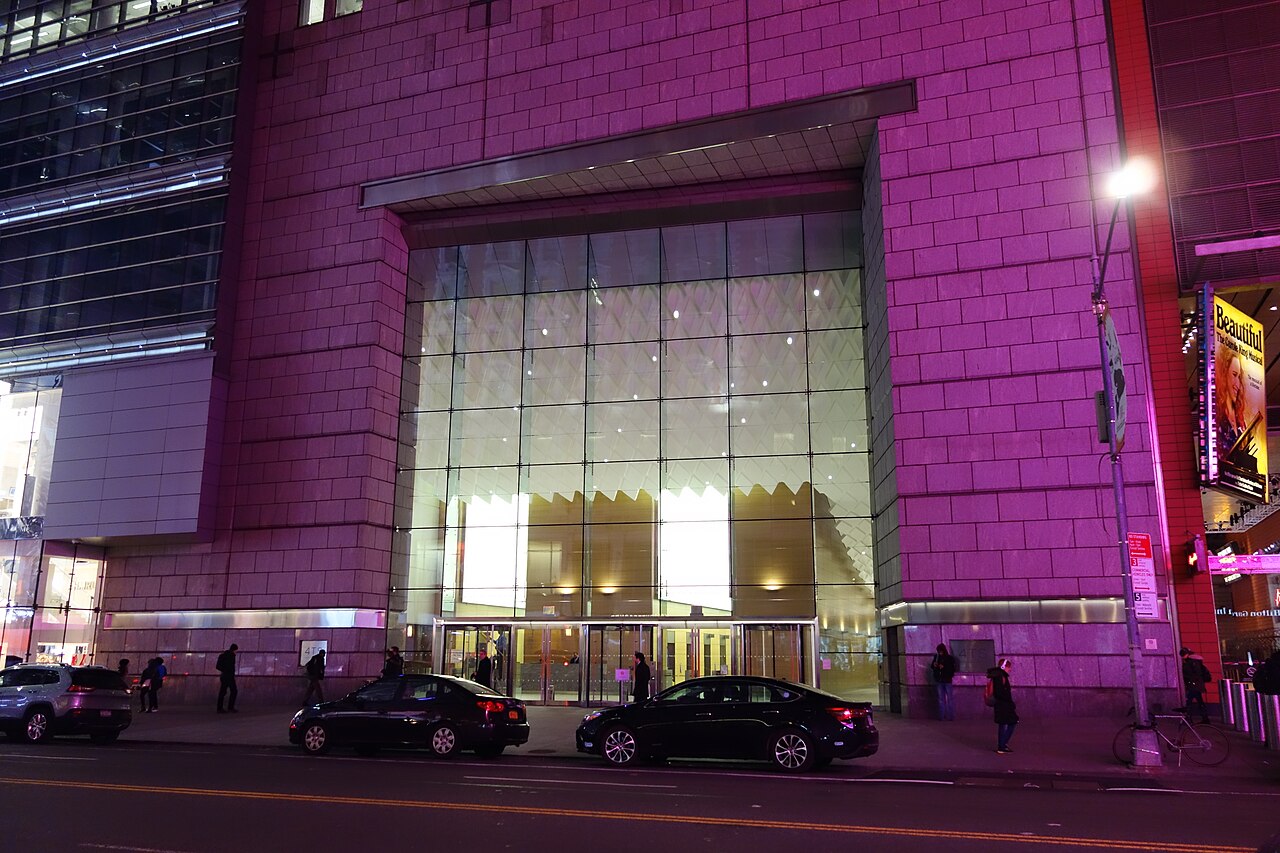
- The northwest corner of the building's base contains the eight-story cylindrical facade of Nasdaq MarketSite, which includes a large LED sign.
Green Ambition and Architectural Identity
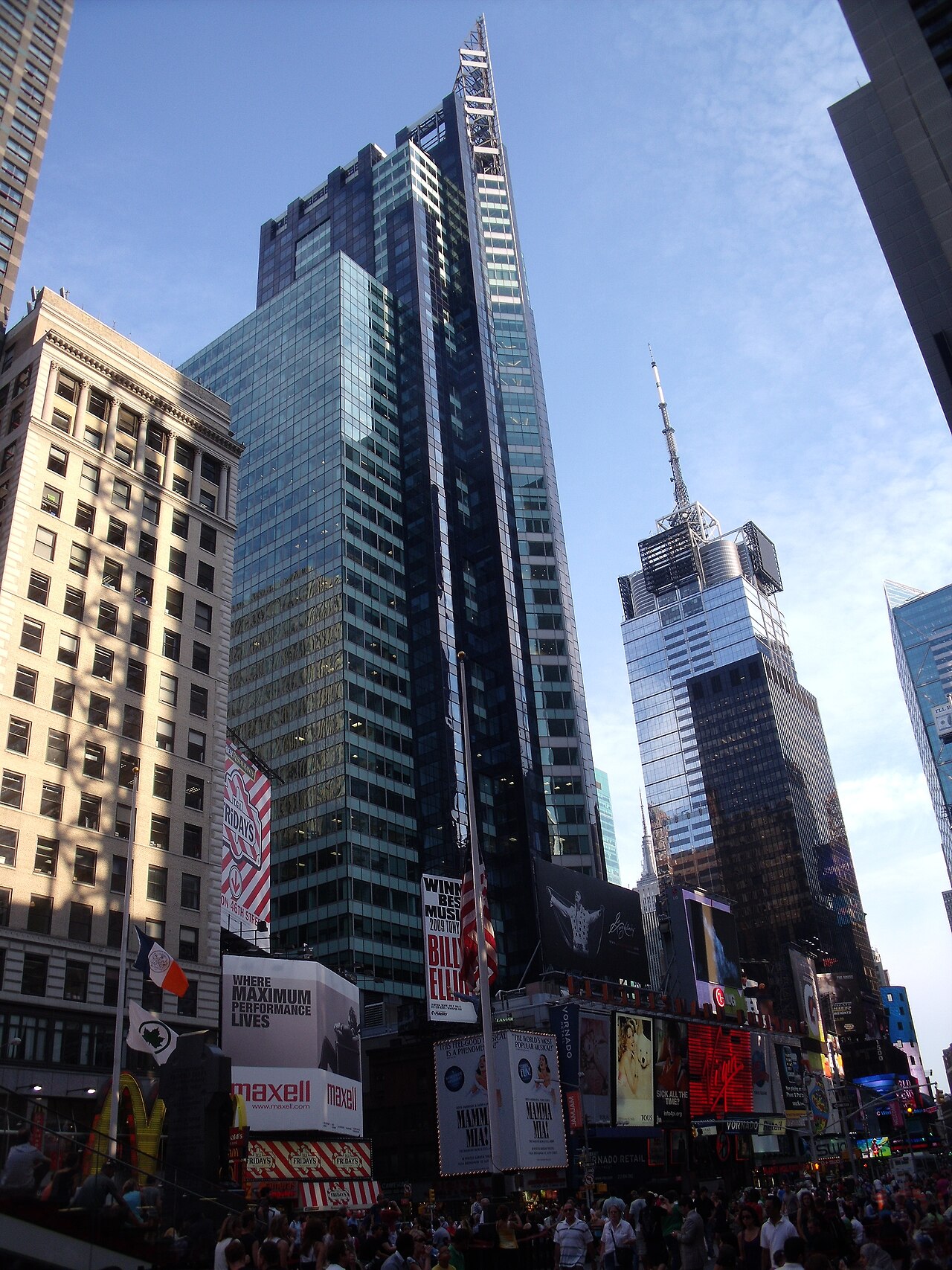
The Condé Nast Building stands as one of the earliest American commercial towers to embrace environmentally conscious design principles. Fox & Fowle was selected specifically for their track record with sustainable architecture, and the publisher Condé Nast pledged to fit out its floors to green standards—though co-tenant Skadden Arps made no comparable commitment. The result is a structure that pairs masonry cladding on its south and east elevations with expansive glass on the west and north faces, blending neo-Modernist sensibilities with traditional skyscraper proportions of base, shaft, and pinnacle. A glass setback crowned by a cavetto cornice marks the 43rd story, while additional setbacks throughout the massing were voluntary design choices rather than zoning requirements. Because the project fell under the 42nd Street Development Program, it sidestepped standard floor-area-ratio limits; estimates of its FAR range from 31 to 35. Critics noted, however, that the tower's overall energy demands somewhat undercut its eco-credentials, with one Architectural Record writer likening the effort to setting up a smoking-cessation clinic inside a tobacco factory.
A Layered Manhattan Site
The ground beneath the structure carries decades of Manhattan history: before 1938 the northern portion housed George M. Cohan's Theatre alongside the Fitzgerald Building, later giving way to the Big Apple Theatre and a Nathan's Famous location. That Nathan's space had originally been the Toffenetti restaurant, a 1,000-seat dining room designed by Walker & Gillette that opened in 1940; Nathan's moved into the same building in 1968. The southern section of the parcel had been occupied by the Longacre Building. In the 1980s and early 1990s, Park Tower Realty and Prudential Insurance had floated plans for a tower here as part of a broader West 42nd Street redevelopment. After years of opposition to any tower on the site, Douglas Durst stepped forward in late 1995 with an office-building proposal. Condé Nast and Skadden Arps signed leases for the bulk of the space in 1996, and construction was completed by 1999. The tower now anchors a cluster of late-1990s and early-2000s office buildings at Times Square's southern tip, alongside 3 Times Square, 5 Times Square, and the Times Square Tower.
Vertical Scale and Urban Footprint
At 48 usable stories above grade plus two basement levels, the tower reaches 809 feet to its architectural roofline and 1,118 feet to the tip of its antenna mast, whose original 132-foot height was later expanded in 2003. The main roof sits at 701 feet, with mechanical floors pushing the total story count to 52. Inside, the building offers approximately 1.6 million square feet of leasable space. Together with the Bank of America Tower to its east, the structure claims an entire city block between 42nd and 43rd Streets. Its northwest corner features an eight-story cylindrical pavilion housing the Nasdaq MarketSite, complete with a large LED display, while the crown bears four massive illuminated H&M signs on each face. The New York City Economic Development Corporation holds title to the building. Structural engineering was handled by WSP Cantor Seinuk, Tishman Construction served as general contractor, and a roster of specialist firms—including CPP Wind Engineering, Otis Worldwide for elevators, Kiss + Cathcart Architects for photovoltaics, and Heitmann & Associates for cladding—contributed to the build.
From Publisher to Retail: A Tower in Transition
When the building opened in 1999, its identity was inseparable from its two anchor tenants: publishing giant Condé Nast and the law firm Skadden Arps, which together leased the majority of the 1.6 million square feet. The ground-level program reflected that publishing heritage—the lowest three floors were allocated to retail, and the fourth story housed a tenant food hall originally designed by Frank Gehry specifically for Condé Nast's workforce. By the 2010s, however, both anchor tenants had vacated, and the tower absorbed a rotating cast of office occupants. The building's public identity shifted accordingly: the H&M signage that now crowns the antenna mast gave the structure its current colloquial name, the H&M Tower, while the Nasdaq MarketSite pavilion added a financial-district flavor to the Times Square streetscape. A renovation in the late 2010s modernized interior systems, and the 2003 antenna extension had already altered the silhouette. Today the tower stands as a flexible, multi-tenant office property in one of Manhattan's most transit-connected corners, with subway entrances for a dozen or more lines just across 42nd Street.
Gallery

Frequently Asked Questions
Who is Condé Nast?
Condé Nast is an American publishing and mass media company established in 1909 by Condé Montrose Nast. It currently operates as a subsidiary of Advance Publications.
What are Condé Nast's most famous publications?
The company is widely recognized for flagship titles such as Vogue, The New Yorker, GQ, and Vanity Fair. Rather than chasing the widest possible readership, each magazine targets a specific social group or niche interest.
Where is Condé Nast headquartered?
The company's offices sit at One World Trade Center in Lower Manhattan's Financial District. They moved into that building in 2014 after a fifteen-year stretch at 4 Times Square.
What is the 'class publication' concept and why is Condé Nast linked to it?
A class publication is a magazine built around a particular social group or shared interest instead of aiming for maximum general circulation. Condé Nast is credited with originating this model, and its portfolio of titles still follows that philosophy today.
Who owns Condé Nast?
Advance Publications holds ownership of Condé Nast, which functions as its publishing division. The company traces its roots back to 1909, when Condé Montrose Nast originally founded the operation.
More in Companies And Conglomerates 1-21
Spotted an error? Know more?
This is a living reference — every entry is fact-audited, and reader corrections feed straight into our audit queue. Suggest an edit · See this site's audit record