
Deutsche Grammophon
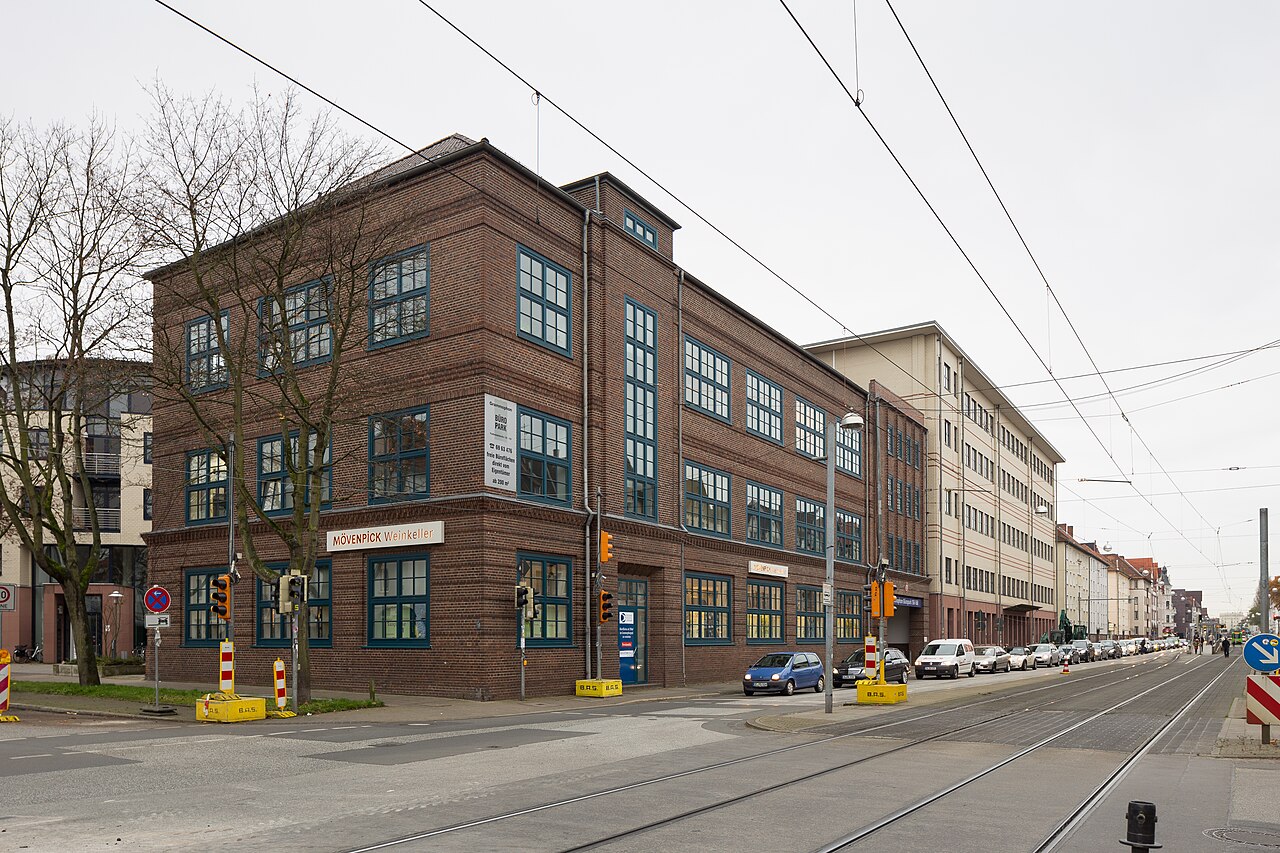
Well known for its classical repertoire.

Bernd Schwabe · CC BY-SA 4.0
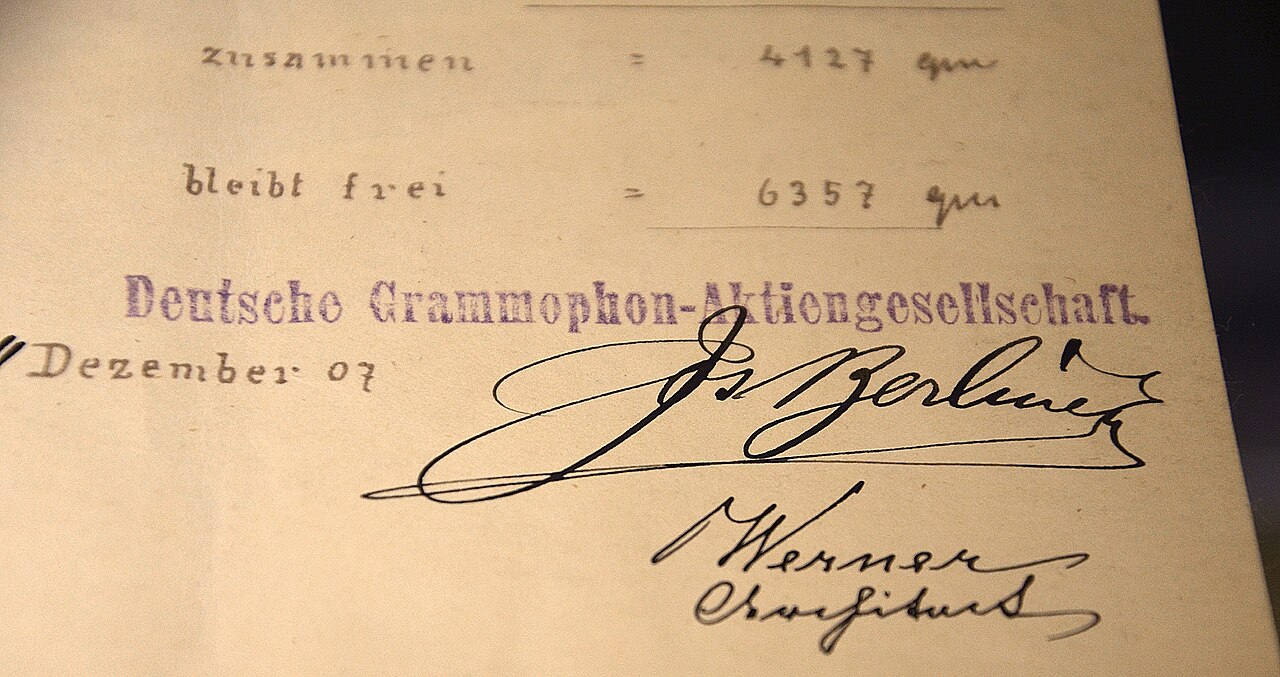
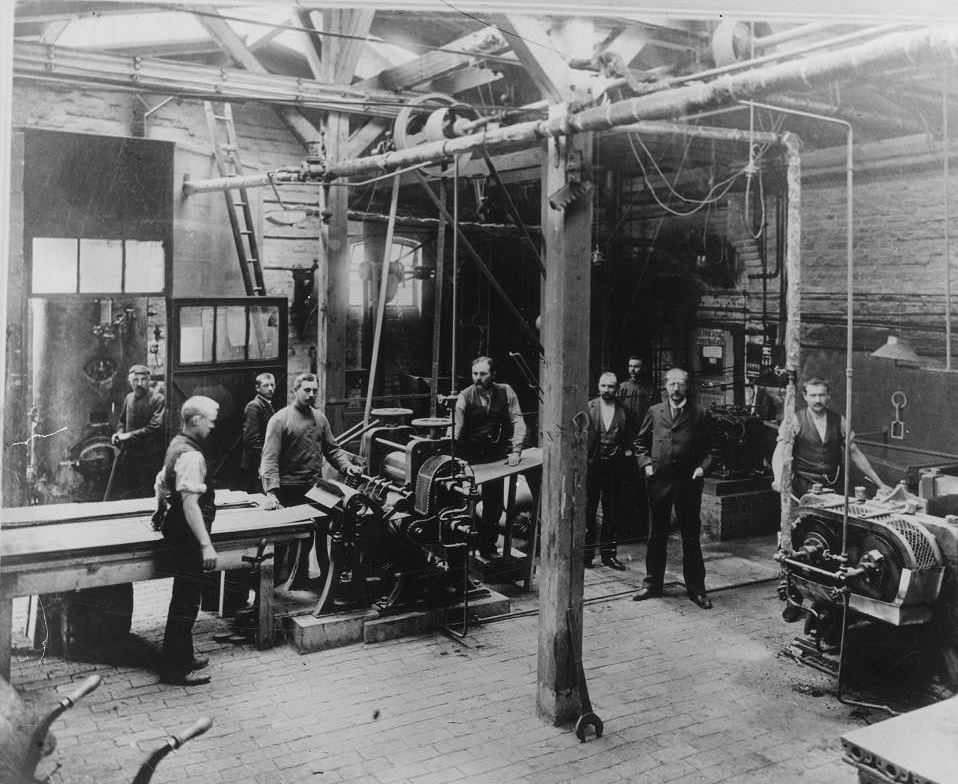
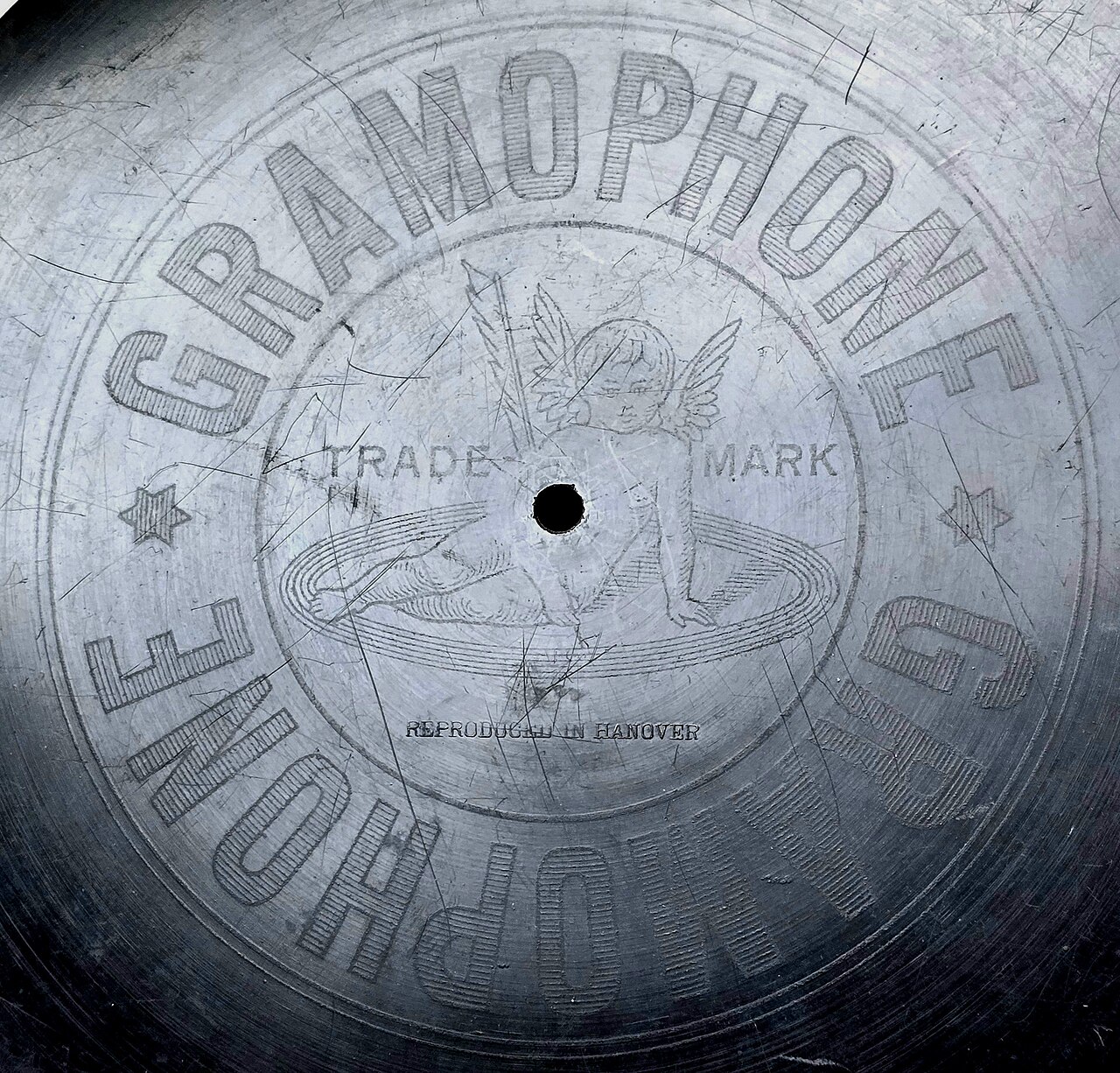
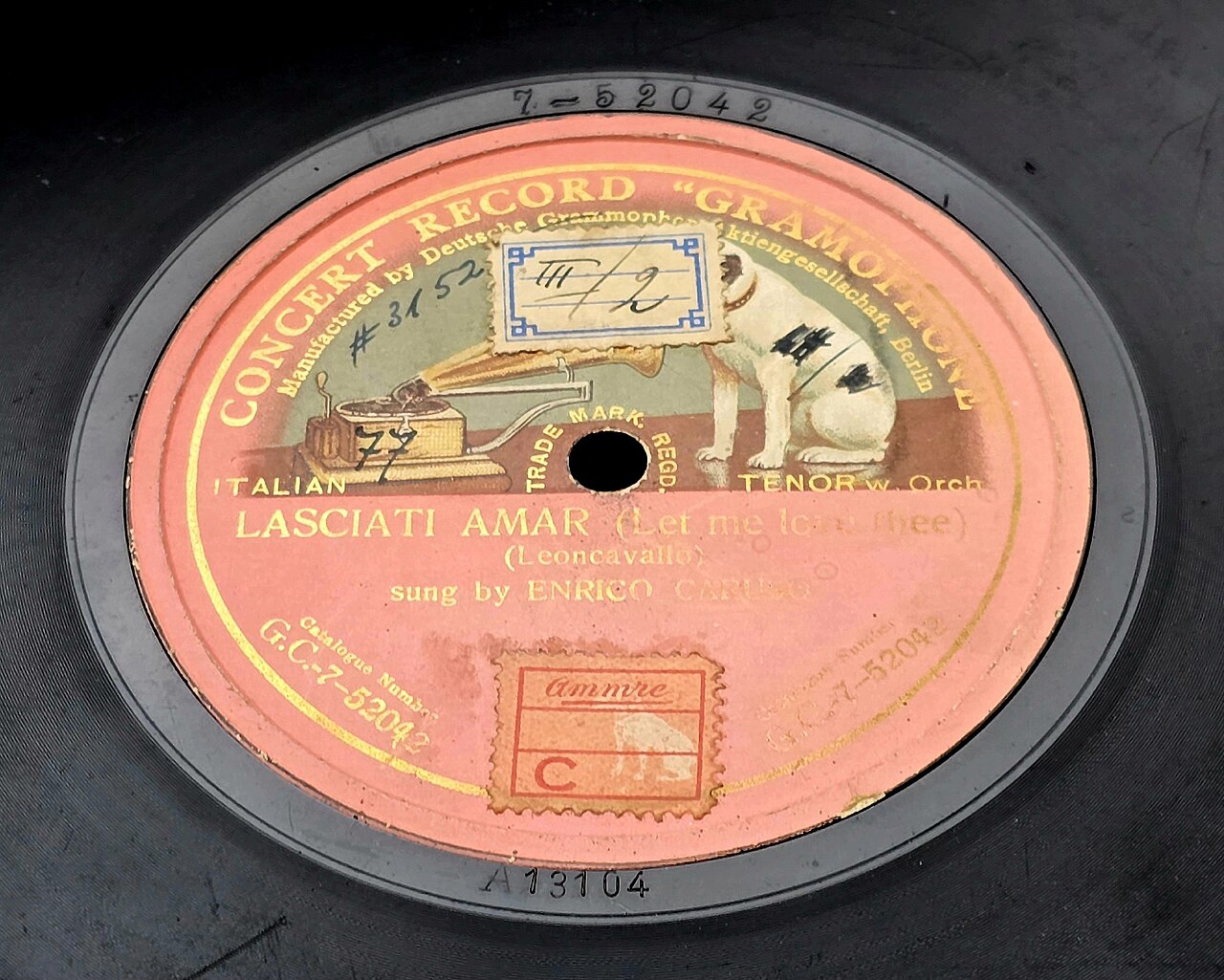
Deutsche Grammophon Gesellschaft (DGG) is a German classical music record label owned by Siemens AG. It was well known for its classical repertoire and had been the German licensee for Decca from 1935. DGG also owned Polydor Records. In 1962, DGG merged with Philips Phonografische Industrie (PPI) to form the Grammophon-Philips Group, which was renamed PolyGram in 1972. The company traced its origins through Deutsche Grammophon back to the inventor of the flat disc gramophone, Emil Berliner.
- field
- Classical music record label
- nationality
- German
- known_for
- Well known for its classical repertoire; owned Polydor Records; German licensee
Verified Timeline
Lore & Background
Deutsche Grammophon Gesellschaft (DGG) was owned by Siemens AG. It was well known for its classical repertoire and had been the German licensee for Decca from 1935. DGG also owned Polydor Records. Shortly after PPI was founded, it made a formal alliance with DGG to manufacture each other's records, coordinate releases, and refrain from poaching each other's artists or bidding against each other for new talent. PPI and DGG finally merged in 1962. In 1962, PPI and DGG formed the Grammophon-Philips Group (GPG) as a joint-venture holding company, with Philips taking a 50% share in DGG and Siemens a 50% share in PPI. In 1972, Grammophon-Philips Group reorganized all its operations and was renamed The PolyGram Group. The name was chosen to reflect the Siemens interest Polydor Records and the Philips interest Phonogram Records. The company traced its origins through Deutsche Grammophon back to the inventor of the flat disc gramophone, Emil Berliner.
Reader's Guide
Deutsche Grammophon's significance lies in its role as a foundational piece of the PolyGram conglomerate. As the Siemens-owned label with a strong classical repertoire, it brought Polydor Records into the joint venture. The 1962 merger with Philips' PPI created the Grammophon-Philips Group, which later became PolyGram. This structure allowed both corporations to pool their record-label assets under a single umbrella while preserving their respective identities. PolyGram gave its labels, as A&R organizations, great autonomy. The company traced its origins through Deutsche Grammophon back to Emil Berliner, inventor of the flat disc gramophone.
Did You Know?
- Deutsche Grammophon Gesellschaft was owned by Siemens AG.
- DGG had been the German licensee for Decca from 1935.
- DGG also owned Polydor Records.
- In 1962, Philips took a 50% share in DGG and Siemens a 50% share in PPI as part of the Grammophon-Philips Group joint venture.
- The PolyGram name was chosen to reflect the Siemens interest Polydor Records and the Philips interest Phonogram Records.
Dutch Roots and the Birth of a Record Empire
In 1929, record shop owner H.W. Van Zoelen was licensed by Decca Records in London to distribute their catalog across the Netherlands. By 1931, his operation, Hollandsche Decca Distributie, had secured exclusive distribution rights for the entire Dutch market and its colonies. Throughout the 1930s, HDD developed its own A&R, recording, and manufacturing capabilities. The company thrived during World War II, benefiting from the absence of American and British competitors. Recognizing that post-war competition would demand deeper financial resources, Van Zoelen sought a sale to Philips, which completed the acquisition in 1942. After the war, Philips constructed a major 78 rpm record factory in Doetinchem, while recording sessions took place in Hilversum and technical development continued in Eindhoven. In the late 1940s, Philips consolidated its scattered music operations—research, development, recording, manufacturing, and distribution—into a single subsidiary called Philips Phonografische Industrie. PPI officially launched its own record label in June 1950 and set its sights on becoming the largest record company in Europe.
The 1962 Merger and the PolyGram Name
In 1962, Philips Phonografische Industrie and Deutsche Grammophon Gesellschaft came together to form the Grammophon-Philips Group, a joint-venture holding company in which Philips held a fifty-percent stake in DGG and Siemens held a matching fifty-percent interest in PPI. This structure allowed both corporations to pool their record-label assets under a single umbrella while preserving their respective identities. In 1971, the UK labels of Philips—Fontana, Mercury, and Vertigo—were folded into a new entity called Phonogram, Ltd. The following year, the Grammophon-Philips Group reorganized all of its operations and adopted the name The PolyGram Group, a portmanteau drawn from Polydor Records on the Siemens side and Phonogram Records on the Philips side. In some markets, such as Argentina, the company continued to trade under the name Phonogram. By 1977, the two formerly parallel organizations had merged operationally, integrating recording, manufacturing, distribution, and marketing into one unified structure. Crucially, PolyGram granted its individual labels substantial autonomy as A&R organizations, allowing each brand to maintain its own artistic direction.
Strategic Alliances and Global Ambition
PPI's early growth strategy relied heavily on partnerships rather than outright acquisition. A proposed merger with Decca of London was floated in late 1945 but rejected by Decca's owner, Edward Lewis. The company's second major alliance was with Deutsche Grammophon Gesellschaft, the Siemens-owned label renowned for its classical catalog and former German licensee for Decca since 1935. Shortly after PPI's founding, the two firms agreed to manufacture each other's records, coordinate release schedules, and refrain from poaching artists or outbidding one another for new talent. To fill gaps in its British and American repertoire, PPI struck a deal in 1951 to distribute Columbia recordings outside the United States after Columbia failed to renew its EMI agreement, while Columbia became PPI's US distributor. This arrangement lasted until 1961. In 1961, PPI signed a worldwide distribution deal with Mercury Records, and in 1962, Philips' US affiliate Conelco acquired Mercury outright. By that year, PPI operated factories in France, Britain, Denmark, Norway, Spain, Italy, Egypt, Nigeria, and Brazil, and had played a pivotal role in introducing the long-playing vinyl record to European audiences.
Dissolution, Absorption, and a Brief Revival
PolyGram's trajectory as an independent entity ended in May 1998, when the alcoholic distiller Seagram—already the parent of Universal Studios, a combined film, television, and music company—purchased the Dutch-German entertainment group. PolyGram's music operations were absorbed into Universal Music Group, while its film and television divisions were folded into Universal Pictures, both of which had succeeded MCA Inc. under Seagram's ownership. When Seagram's newly assembled entertainment division ran into financial trouble, it was sold to Vivendi, and MCA was rebranded as Universal Studios as Seagram itself ceased to exist. Vivendi went on to remain the majority owner of Universal Music Group until 2021, while the film and television arm was eventually sold to NBCUniversal. In a nod to the company's storied past, Universal Music Group revived the PolyGram name in February 2017, launching PolyGram Entertainment as its dedicated film and television division. The original PolyGram, tracing its lineage through Deutsche Grammophon back to Emil Berliner, inventor of the flat disc gramophone, had thus completed a full arc from Dutch-German partnership to global entertainment giant and finally to a revived brand under new ownership.
Gallery

Frequently Asked Questions
What is Deutsche Grammophon?
Deutsche Grammophon is a German record label dedicated to classical music, established in 1898 as the German branch of Emile Berliner's Berliner Gramophone Company. It is headquartered in Berlin Friedrichshain and currently operates under Universal Music Group.
Why is Deutsche Grammophon historically significant?
It holds the distinction of being the world's oldest surviving established record company, having operated continuously since its 1898 founding. It also served as the corporate precursor to PolyGram.
What role did Deutsche Grammophon play in the CD era?
In 1983, the label was a pioneer in bringing the compact disc format to mass-market distribution, helping establish the technology as a mainstream consumer product.
Who owns Deutsche Grammophon today?
Since 1999, Deutsche Grammophon has been part of Universal Music Group, following a corporate lineage that traces back through PolyGram to its 1898 origins.
What field does Deutsche Grammophon specialize in?
The label focuses exclusively on classical music recordings, making it one of the most recognizable and long-standing names in that genre worldwide.
More in Companies And Conglomerates 1-21
Spotted an error? Know more?
This is a living reference — every entry is fact-audited, and reader corrections feed straight into our audit queue. Suggest an edit · See this site's audit record