
Delta Air Lines
Major U.S.

via Wikipedia: Korean Air · see source
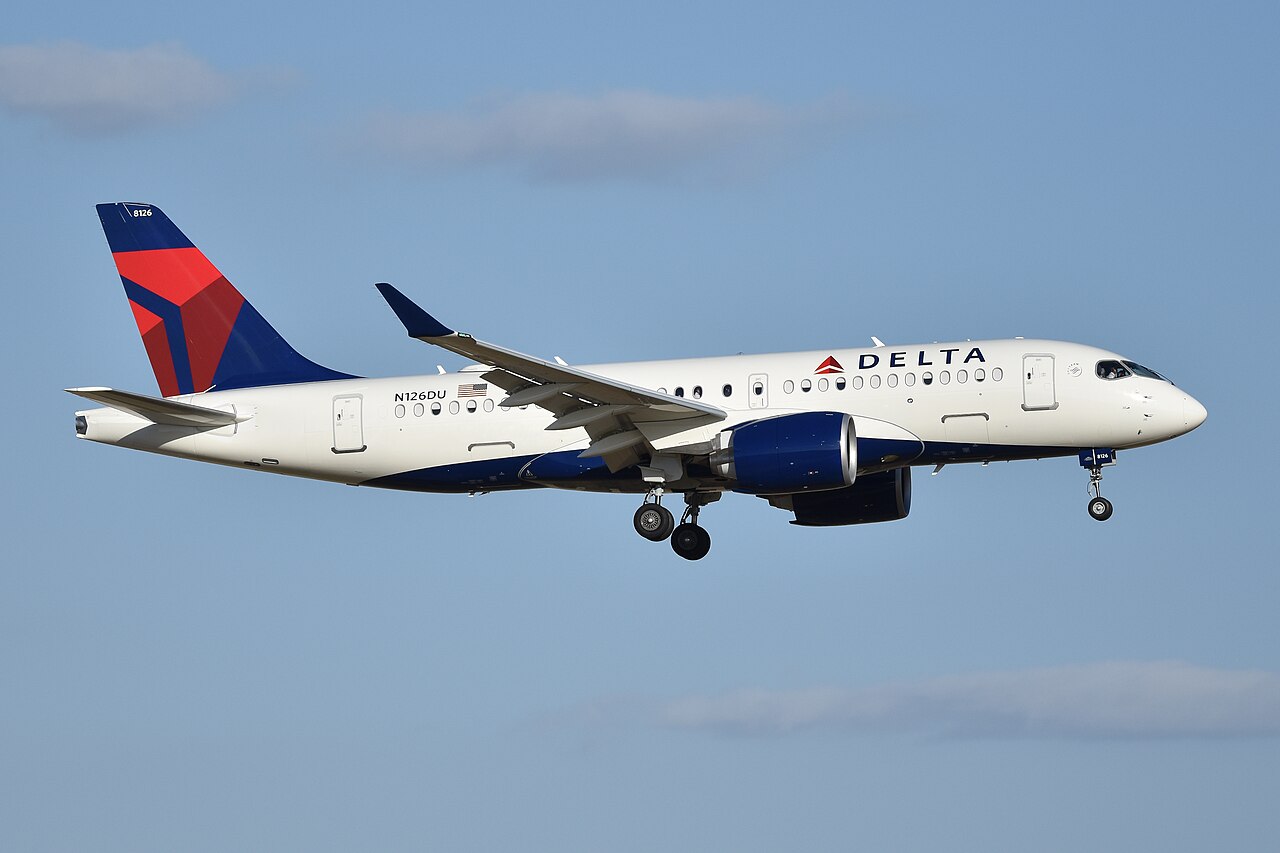
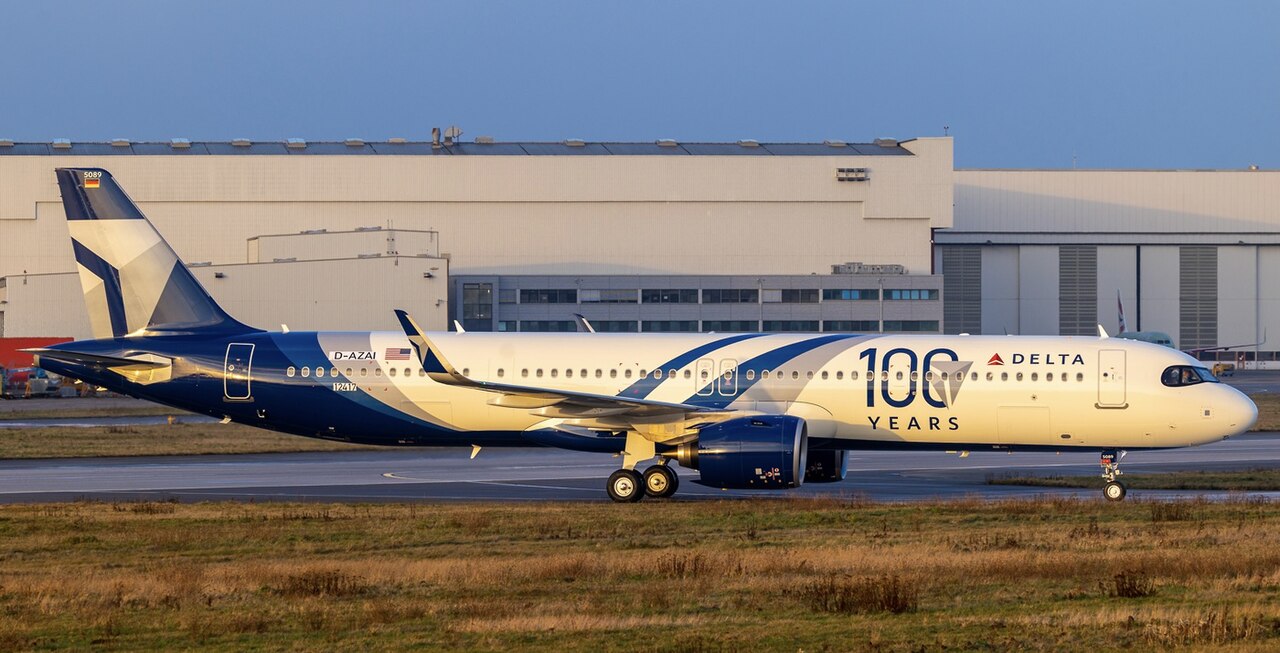
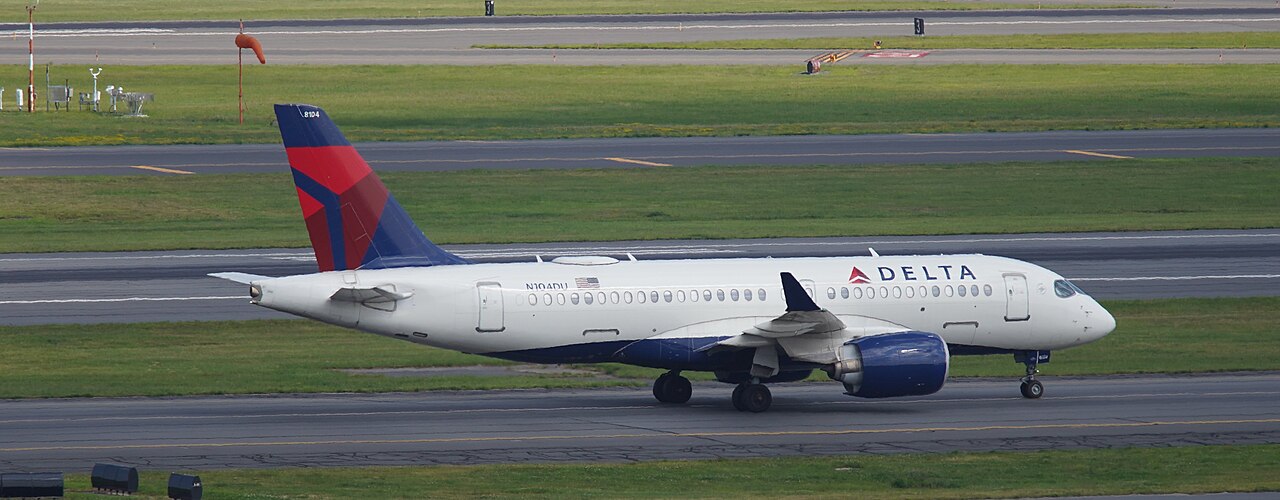
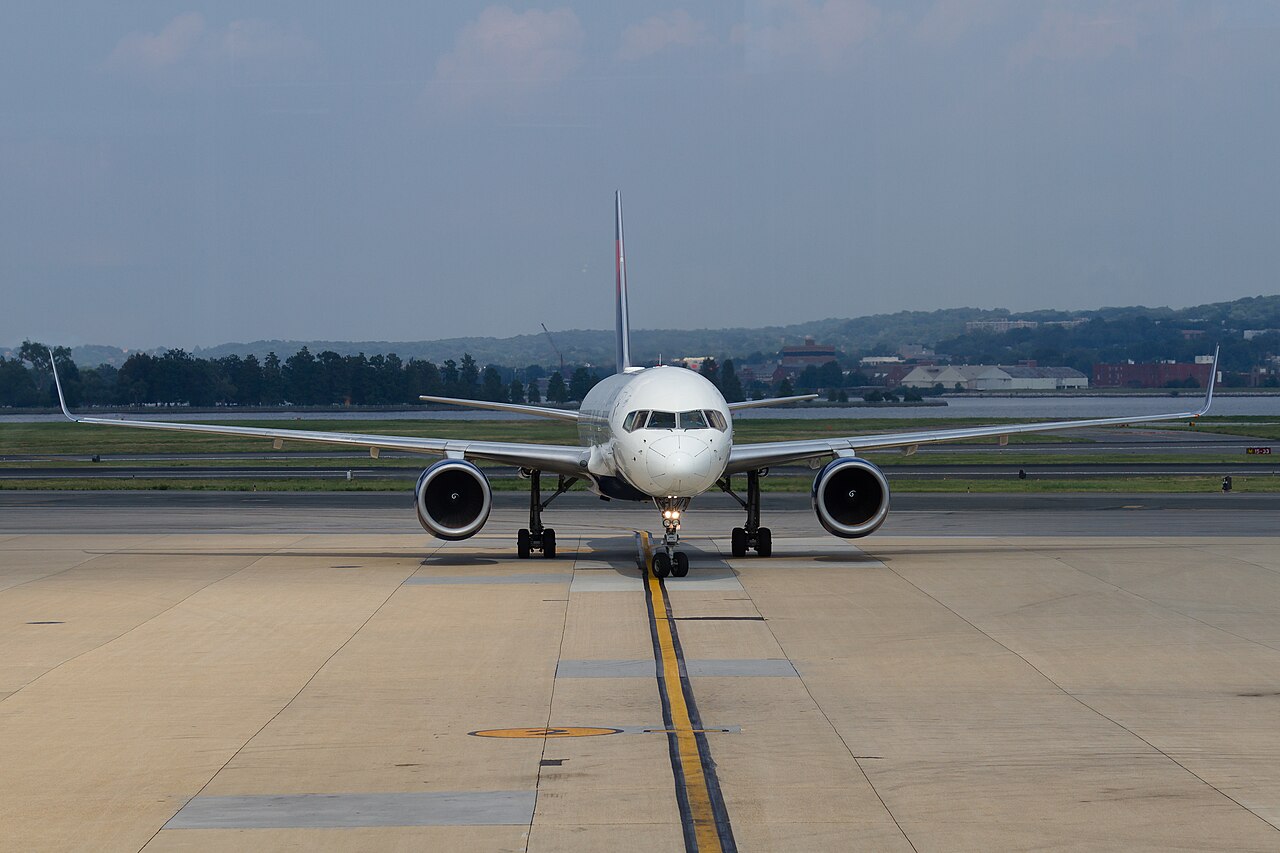
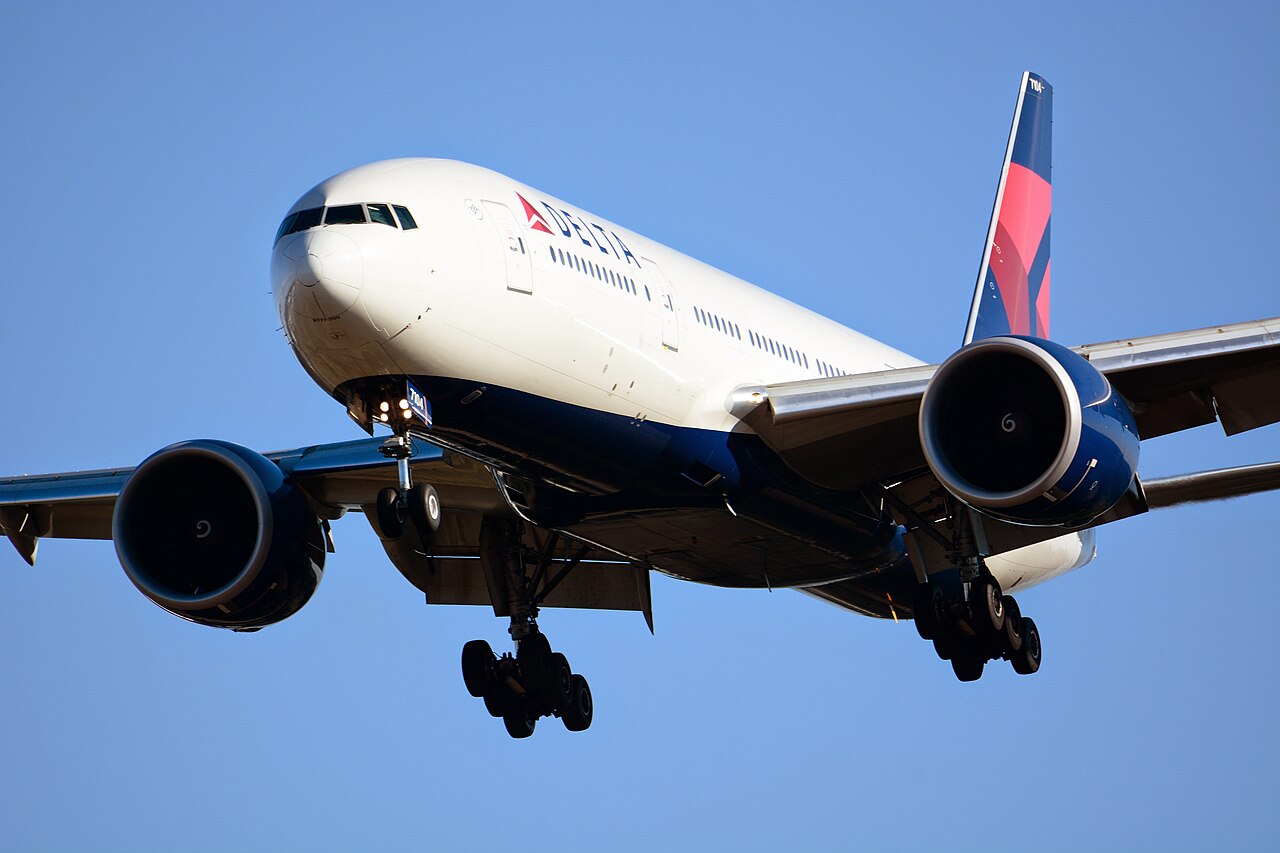
Delta Air Lines, Inc. is a major airline in the United States headquartered in Atlanta, Georgia. Delta ranks first in revenue and brand value among the world's largest airlines and second by number of passengers carried and passenger miles flown. It is a founding member of the SkyTeam alliance and operates nine hubs, with Hartsfield–Jackson Atlanta International Airport as its largest.
- headquarters
- Atlanta, Georgia, United States
- field
- Commercial aviation
- nationality
- United States
- known_for
- Largest airline by revenue and brand value; founding member of SkyTeam; one of t
Verified Timeline
Lore & Background
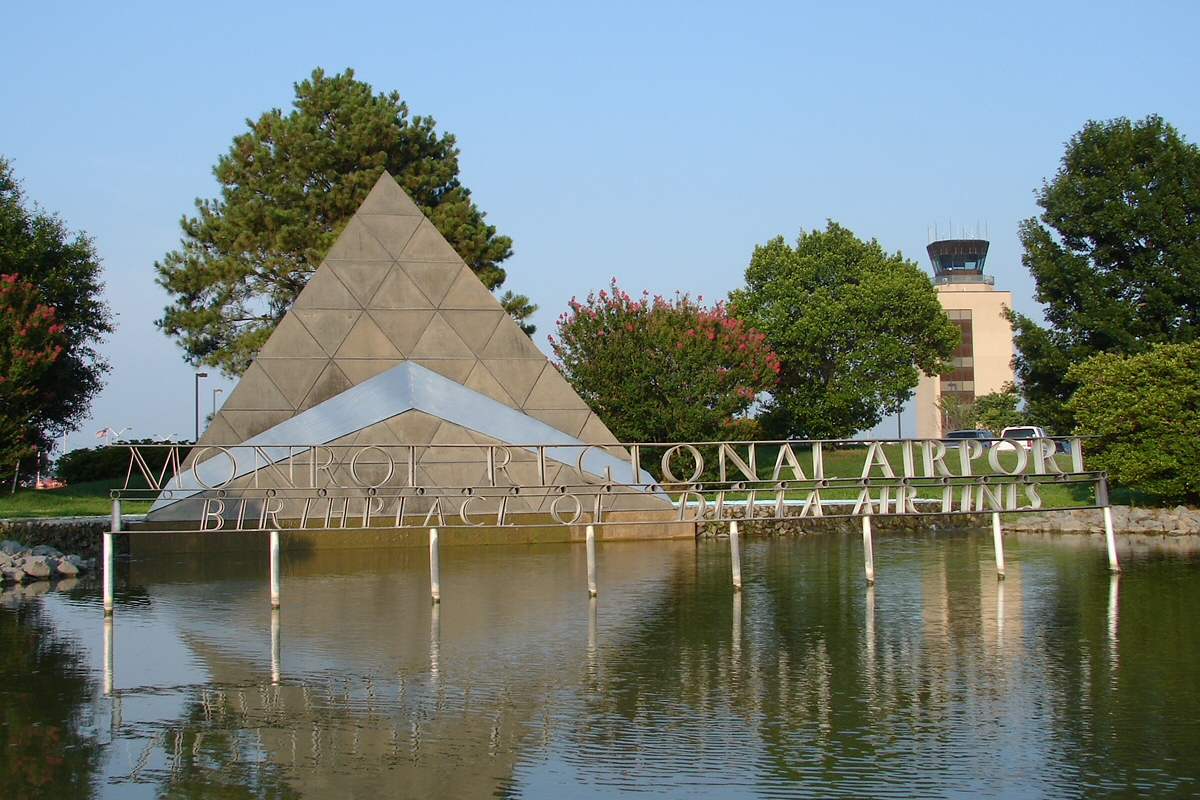
The company moved to Monroe, Louisiana, later that year. C.E. Woolman, general manager and later Delta's first CEO, led a group of local investors to acquire the company's assets.
Reader's Guide
Delta Air Lines holds a significant place in aviation history as one of the oldest continuously operating commercial airlines in the United States, with roots in the pioneering era of crop dusting. Its evolution from a small regional carrier to a global giant reflects broader trends in airline consolidation and the rise of hub-and-spoke networks. Delta's nine hubs, particularly its massive Atlanta operation, have shaped air travel patterns across the United States and internationally. The airline's role as a founding member of the SkyTeam alliance underscores its influence in global aviation partnerships. Delta's financial resilience, including its emergence from bankruptcy in 2007 and its subsequent acquisition of Northwest Airlines, demonstrates its strategic adaptability. Its ranking first in revenue and brand value among world airlines cements its legacy as a dominant force in commercial aviation.
Did You Know?
- Delta is a founding member of the SkyTeam alliance, alongside Aeroméxico, Air France, and Korean Air.
- Delta ranks first in revenue and brand value among the world's largest airlines.
- Delta's largest hub is Hartsfield–Jackson Atlanta International Airport.
Origins and the Birth of a National Carrier
Korean Air's story begins in the aftermath of the Korean War, when the government of the Republic of Korea absorbed the small Korean National Airlines in 1962 and rebranded it as Korean Air Lines. The airline we know today, however, was truly born on March 1, 1969, when the Hanjin Group purchased the state-owned carrier, marking the transition from government operation to private enterprise. The early years were defined by cautious international expansion. In April 1971, the airline launched long-haul trans-pacific freight routes, and just weeks later, in April 1972, it began carrying passengers to Los Angeles International Airport. By the present day, the carrier's international passenger and cargo operations reach 126 cities across 44 countries, while its domestic network covers 13 destinations. Headquartered in Seoul, Korean Air employed roughly 20,540 staff members as of late 2014, reflecting the scale of a carrier that has grown from a modest post-war operation into South Korea's largest airline by fleet size, international destinations, and volume of international flights.
The Safety Crisis and the Long Road to Redemption
For nearly three decades, Korean Air carried a reputation that no marketing could erase. Between 1970 and 1999, the airline wrote off sixteen aircraft in serious incidents and accidents, claiming more than 700 lives. The situation reached a breaking point in 1999, when President Kim Dae-jung publicly labeled the carrier's safety record an embarrassment to the nation and chose rival Asiana for a diplomatic trip to the United States. The NTSB had unanimously determined that inadequate pilot training at Korean Air contributed to the fatal crash of Flight 801. That same year, Delta Air Lines severed its code-sharing partnership, explicitly citing the poor safety record following the Korean Air Cargo Flight 6316 crash — a first in the industry. Air Canada and Air France followed suit. In 2001, the FAA downgraded South Korea's aviation safety rating, blocking the country's carriers from expanding into U.S. markets. The turnaround required billions in investment, fleet upgrades, new technology, and a complete cultural overhaul, aided by consultants from Boeing and Delta. By 2002, the New York Times noted Korean Air had been dropped from industry shun lists, and by 2009 its reputation had been substantially rehabilitated.
Fleet Evolution and Operational Ambition
Korean Air's fleet history reads like a catalogue of aviation's most ambitious engineering. The airline initially operated Boeing 707s on routes to Hong Kong, Japan, Taiwan, and Los Angeles before the landmark introduction of the Boeing 747 in 1973, which opened trans-Pacific and European services to Paris. In 1975, Korean Air became one of the earliest Asian carriers to embrace the Airbus brand, placing three A300s into immediate service on Asian routes. A unique geopolitical constraint shaped its European routing: because South Korean aircraft were barred from North Korean and Soviet airspace, flights to Paris had to follow an eastbound path via Anchorage. The 1980s brought a fresh identity — a blue-top silver livery with a stylized Taegeuk logo, designed in collaboration with Boeing, debuted on MD-80s and 747-300s. In the 1990s, Korean Air became the first airline to operate the McDonnell Douglas MD-11 alongside its 747-400 fleet, though the MD-11 ultimately failed to meet performance expectations and was converted to freighters. The airline's cargo ambitions continued to grow, from its 1981 Los Angeles cargo terminal to a new hub at Navoiy International Airport in Uzbekistan, opened in 2010 by parent Hanjin Group.
Alliances, Expansion, and Corporate Transformation
Korean Air's strategic positioning in the 21st century has been shaped by bold partnerships and corporate restructuring. On June 23, 2000, alongside Aeroméxico, Air France, and Delta Air Lines, the airline co-founded the SkyTeam alliance, with SkyTeam Cargo following in September of that year — a move that cemented its role in global network aviation. In 2007, Korean Air announced the creation of Jin Air, a low-cost subsidiary designed to compete with South Korea's KTX high-speed rail, which offered cheaper fares and less stringent security. Jin Air began scheduled service in July 2008, absorbing some of the parent's 737s and A300s. The airline also embraced pop culture, wrapping a 747-400 and a 737-900 in StarCraft II livery for a 2010 co-marketing deal with Blizzard Entertainment. The most consequential corporate move came in November 2020, when Korean Air announced a full merger with rival Asiana Airlines. The U.S. Department of Justice blocked the plan on monopoly grounds, forcing a pivot to a major-stake acquisition instead. That acquisition was completed on December 12, 2024, consolidating South Korea's aviation market. By 2024, Korean Air held a Skytrax five-star rating and ranked among the world's top twenty airlines by passengers carried.
Gallery
Frequently Asked Questions
Who is Delta Air Lines?
Delta Air Lines is a major U.S. commercial airline based in Atlanta, Georgia, that has been carrying passengers since 1929. It is one of the oldest still-operating airlines in the country.
What is Delta Air Lines known for?
Delta holds the top spot worldwide for airline revenue and brand value, and it operates nine major hubs with Hartsfield–Jackson Atlanta International as its largest. It is also a founding member of the SkyTeam alliance.
How did Delta Air Lines get its start?
The company's origins go back to 1925, when it operated as Huff Daland Dusters, a crop-dusting outfit. It shifted into scheduled passenger service in 1929, marking the beginning of its long history in commercial aviation.
Why is Delta Air Lines important to the global aviation industry?
Delta ranks second in the world by passengers carried and passenger miles flown, making it a critical artery for both domestic and international travel. Its scale and hub network set a benchmark that other carriers measure themselves against.
What role does Delta play in the SkyTeam alliance?
Delta was one of the original carriers that helped establish SkyTeam, the global airline alliance. Through this partnership, Delta links its route network with member carriers on multiple continents to offer connected multi-destination itineraries.
More in Companies And Conglomerates 1-21
Spotted an error? Know more?
This is a living reference — every entry is fact-audited, and reader corrections feed straight into our audit queue. Suggest an edit · See this site's audit record